In collaboration with the Lifestyle Lab at The Ohio State University Comprehensive Cancer Center,
The project explored how design-led behavioral interventions can support healthier sleep routines, particularly by addressing pre-bedtime stress and excessive screen use. Working closely with participants, our team grounded the research in behavioral science frameworks, including the Behavior Change Wheel, alongside qualitative methods such as sleep mapping, interviews, and surveys .
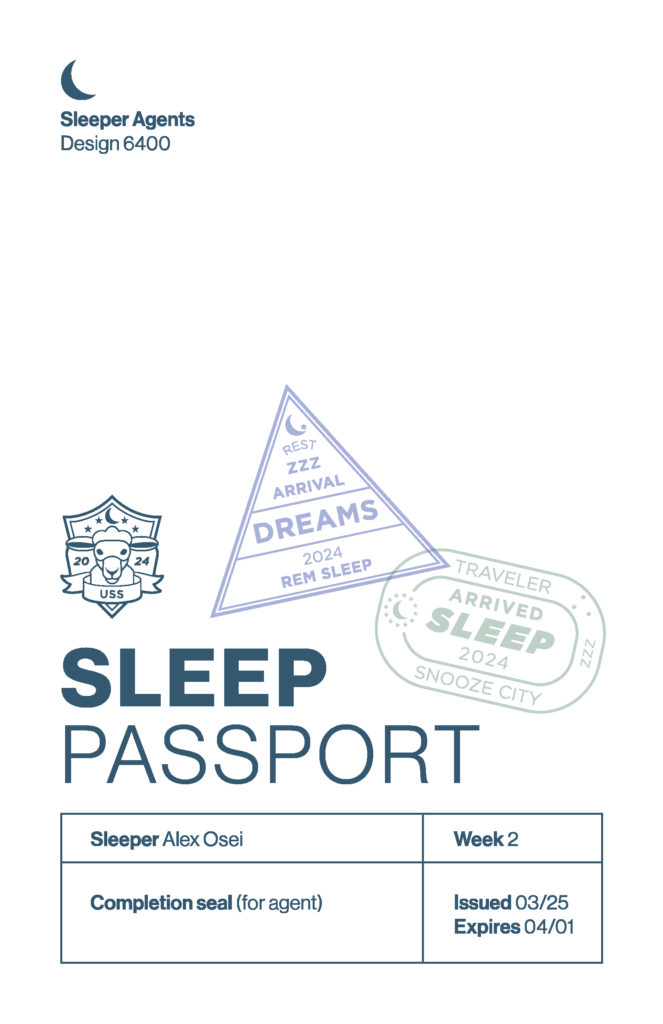
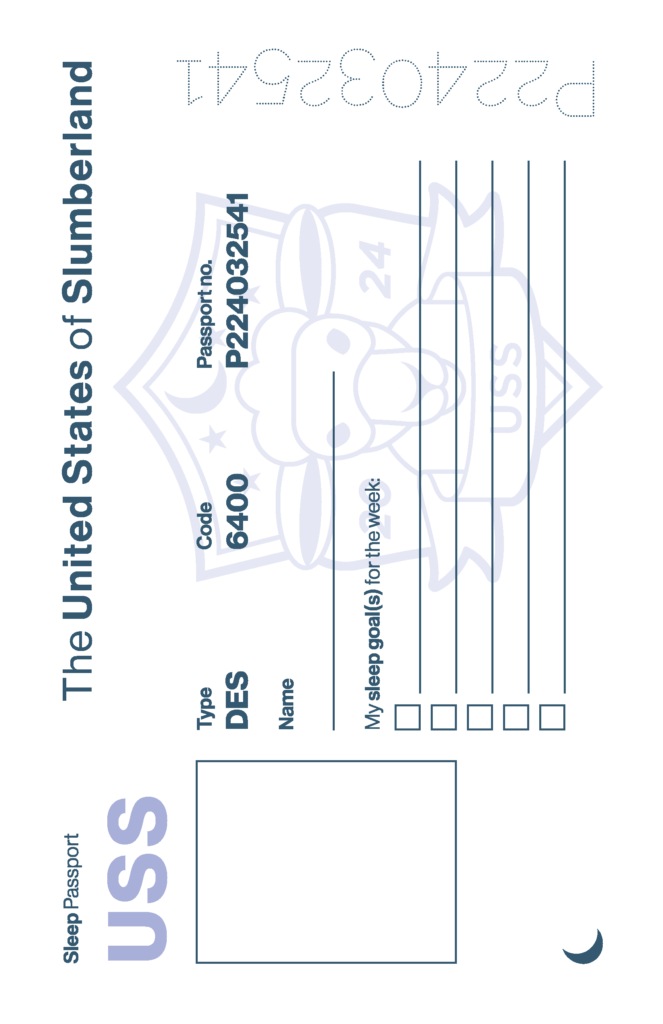
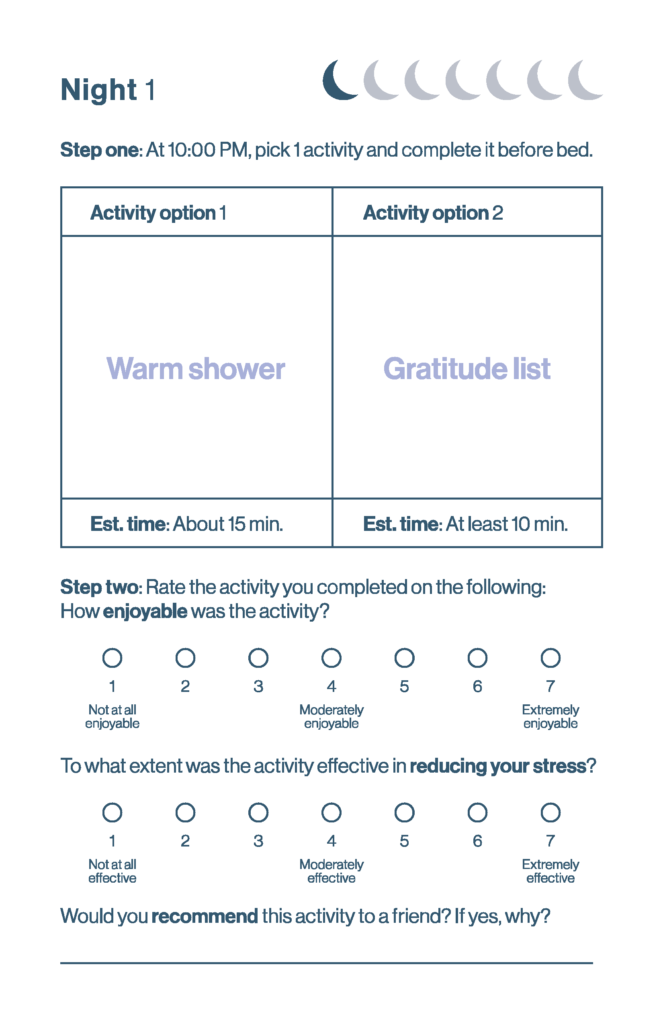
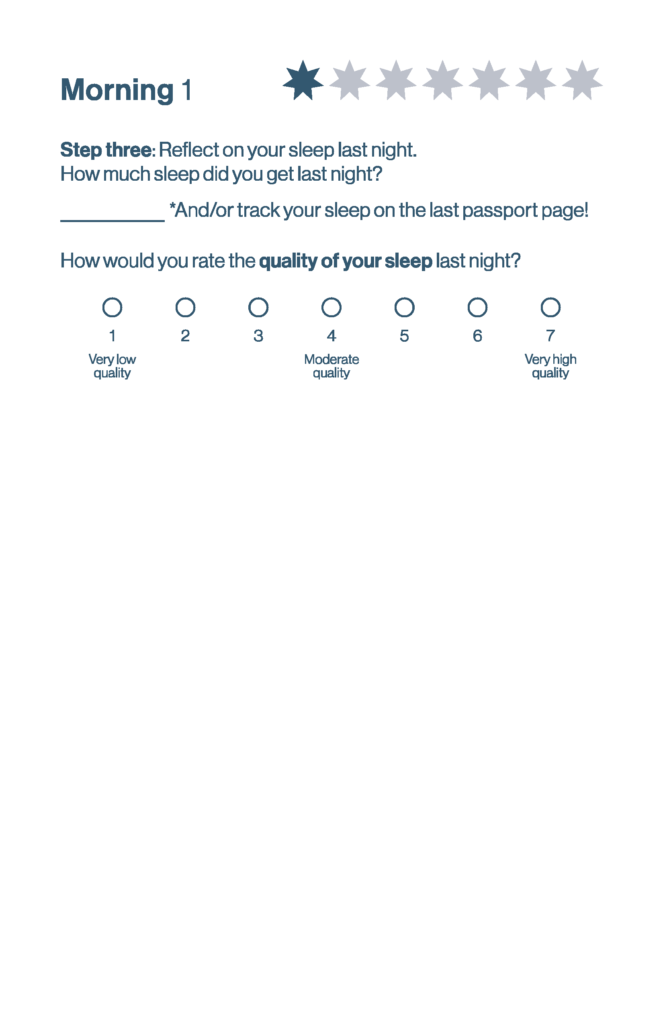
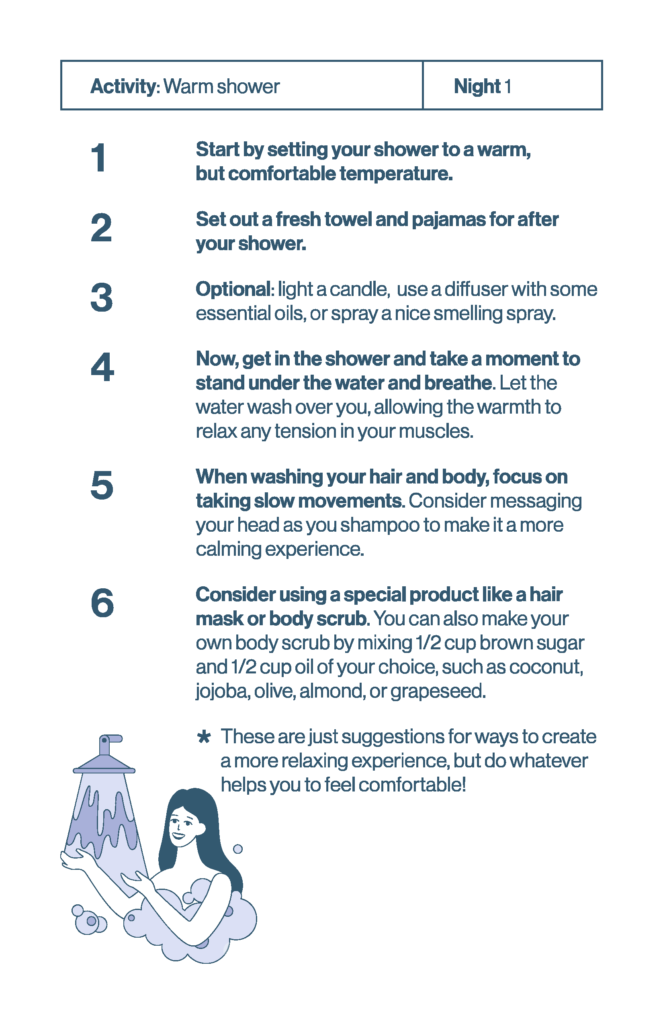
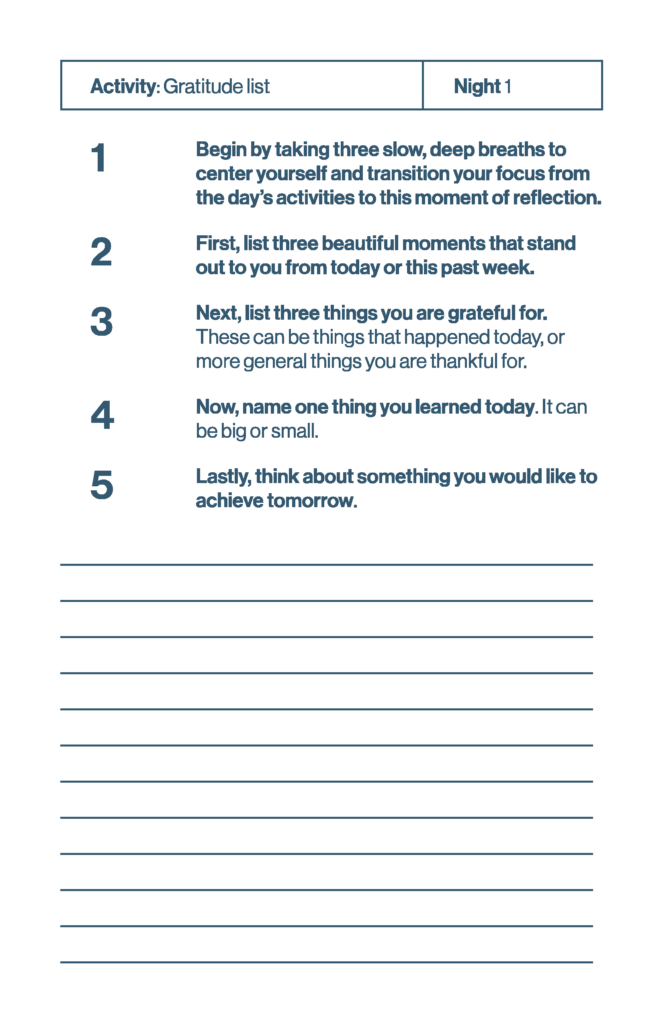
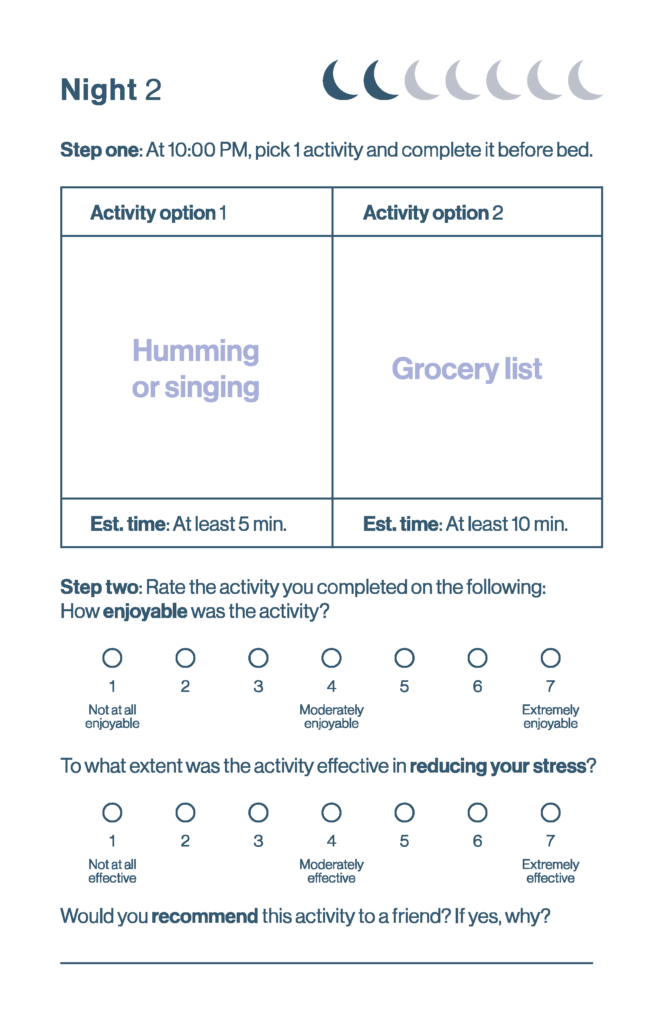
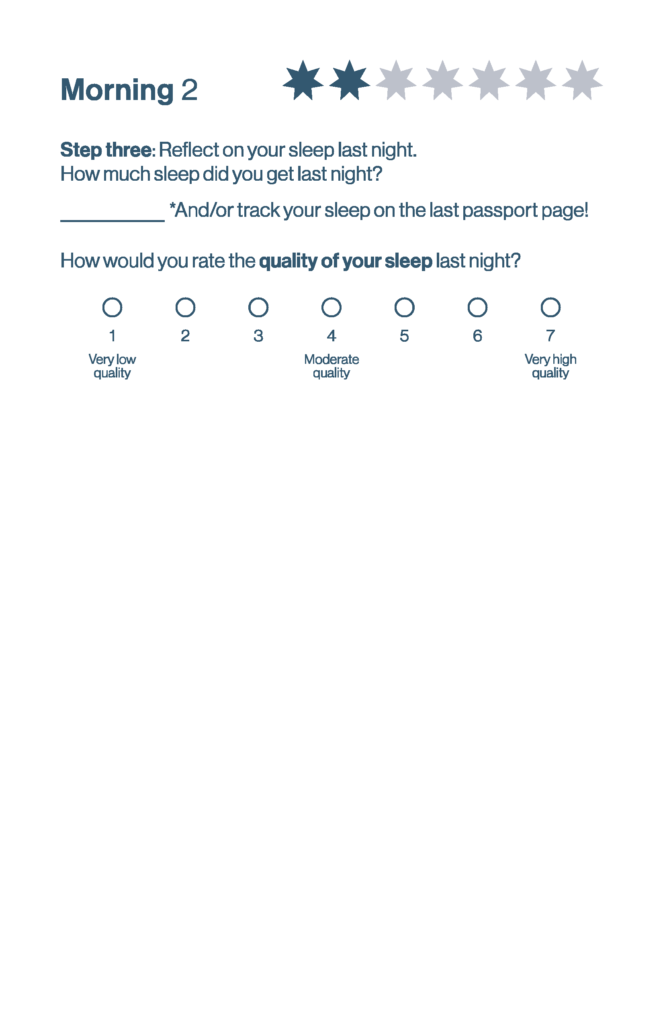
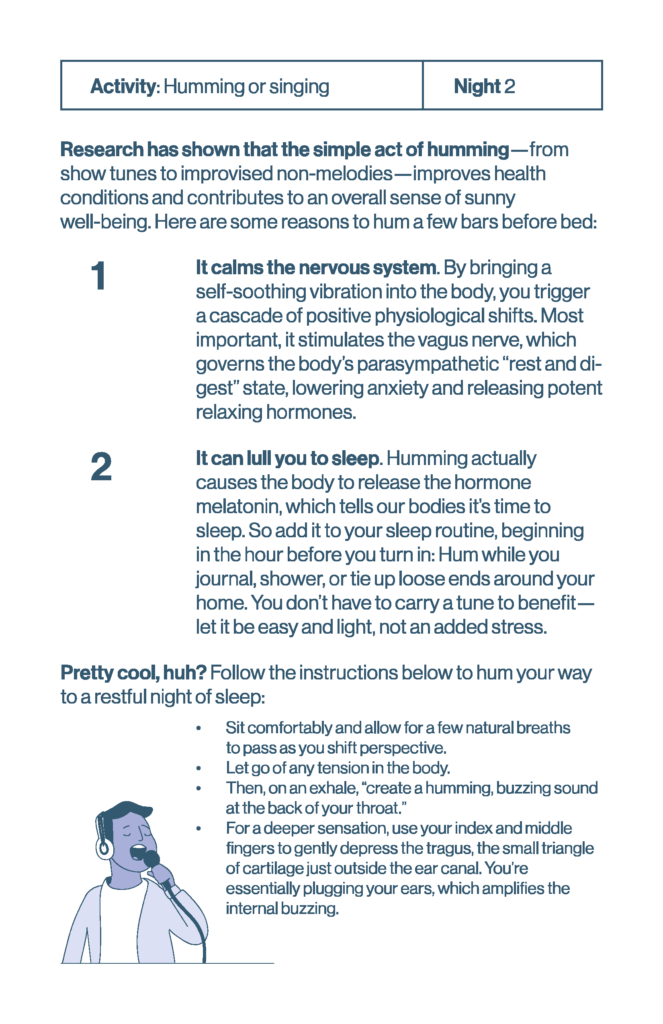
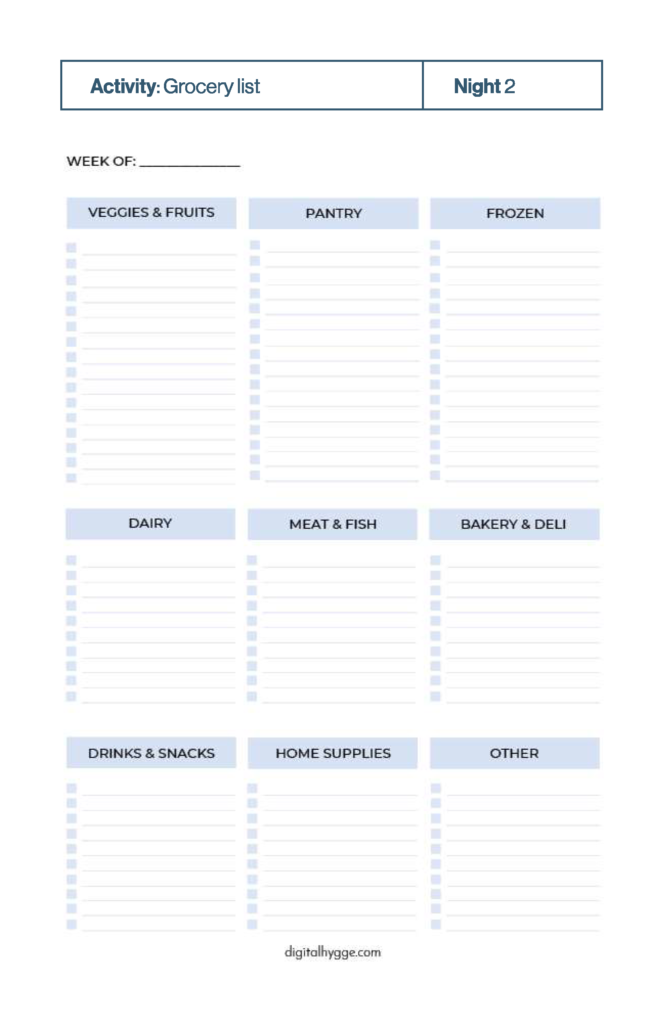
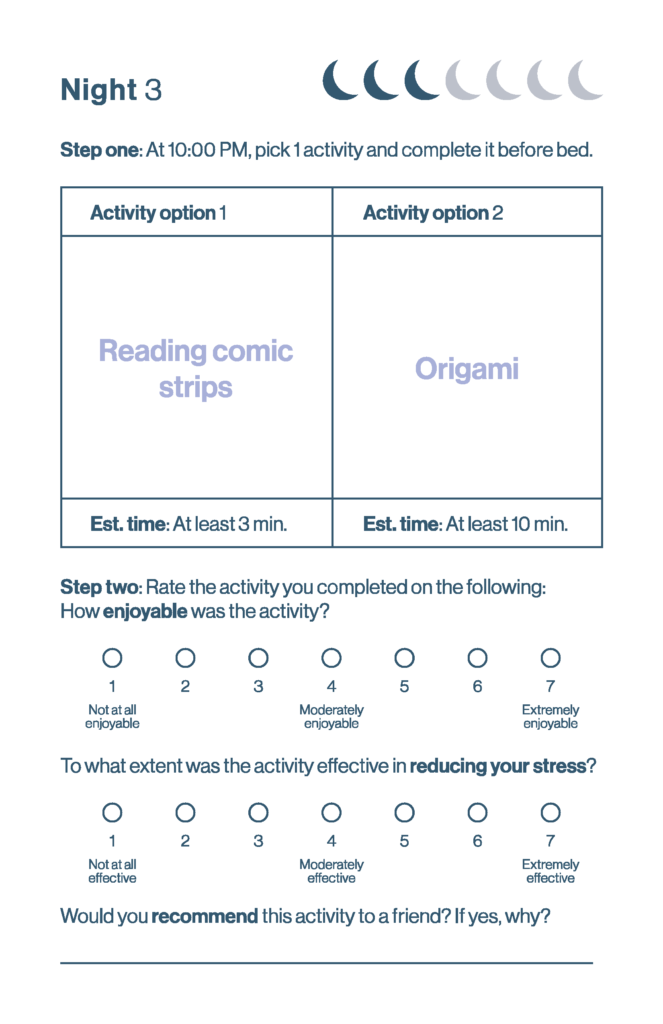
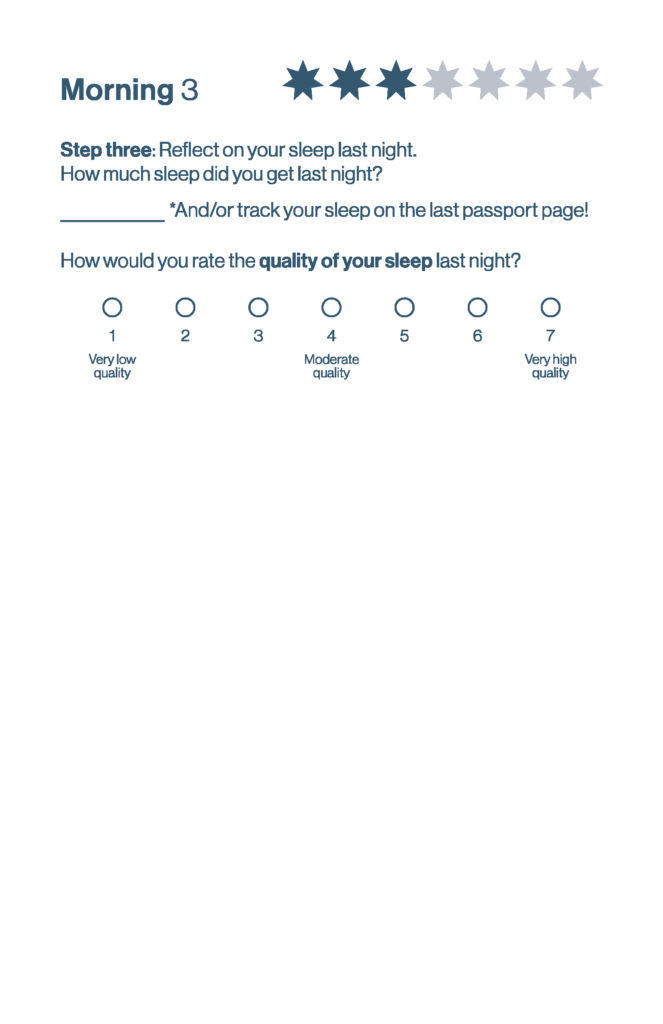
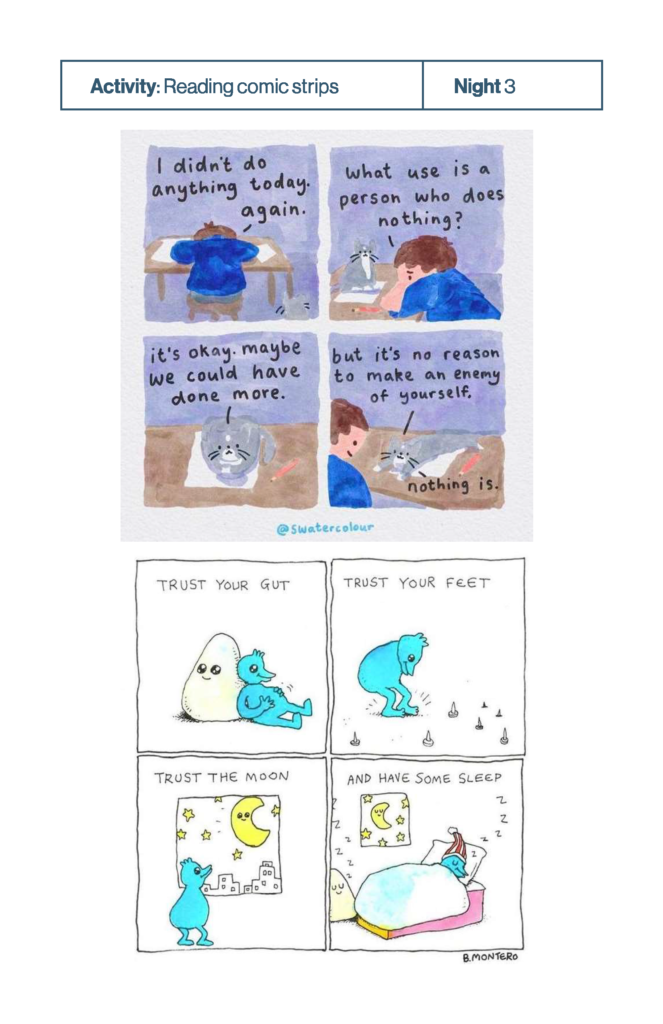
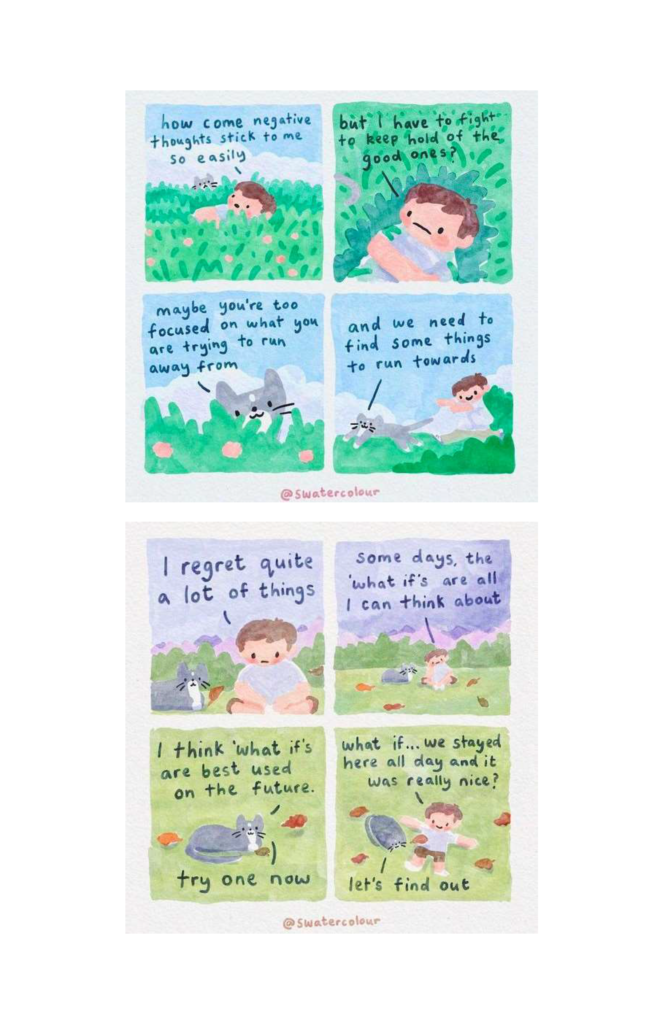
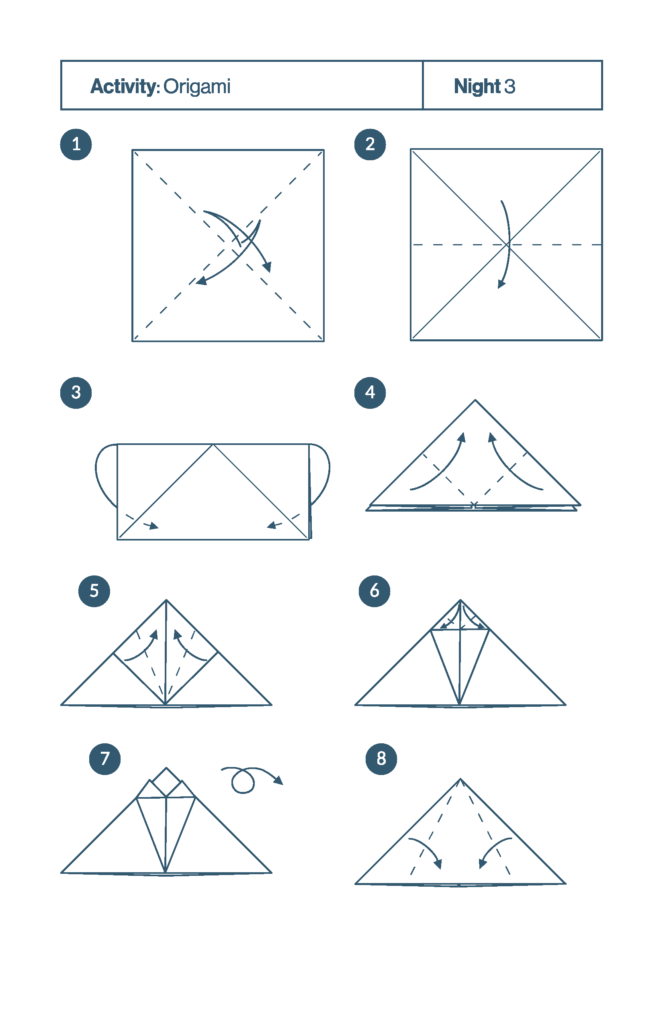
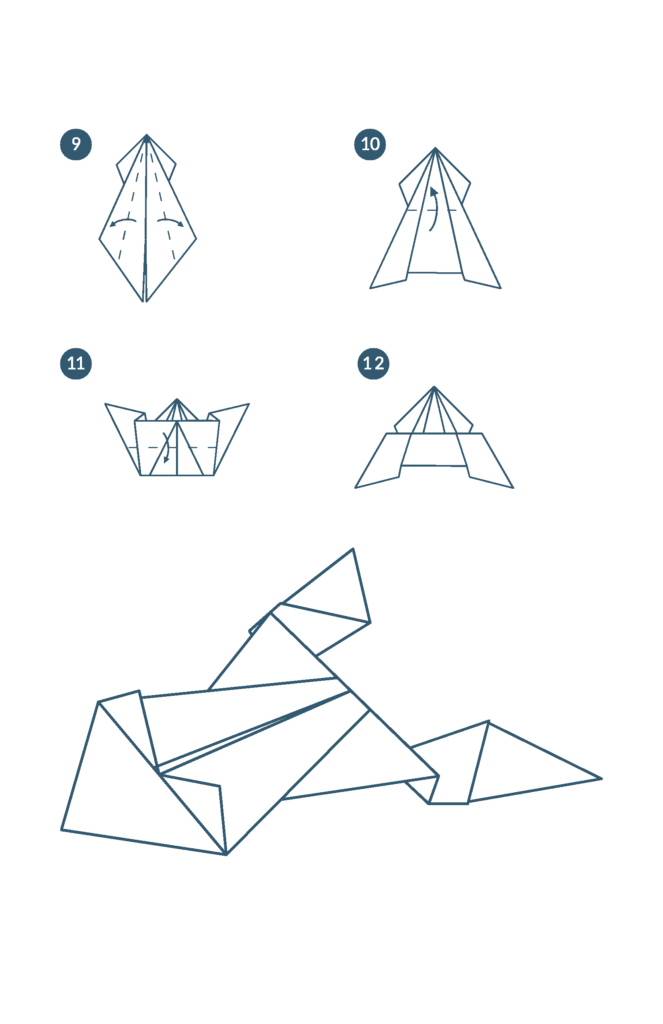
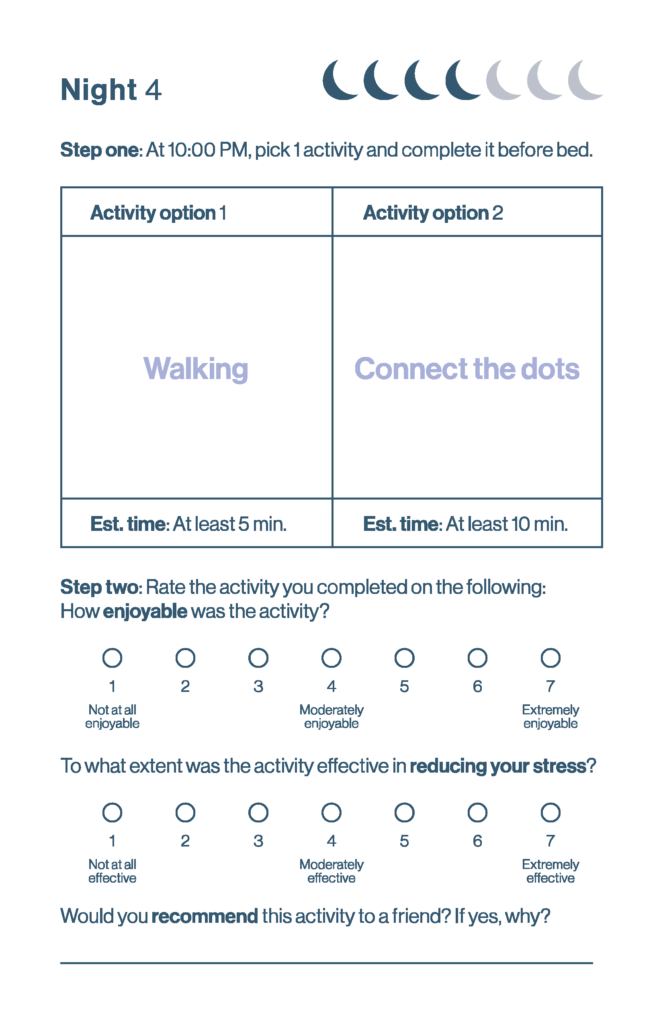
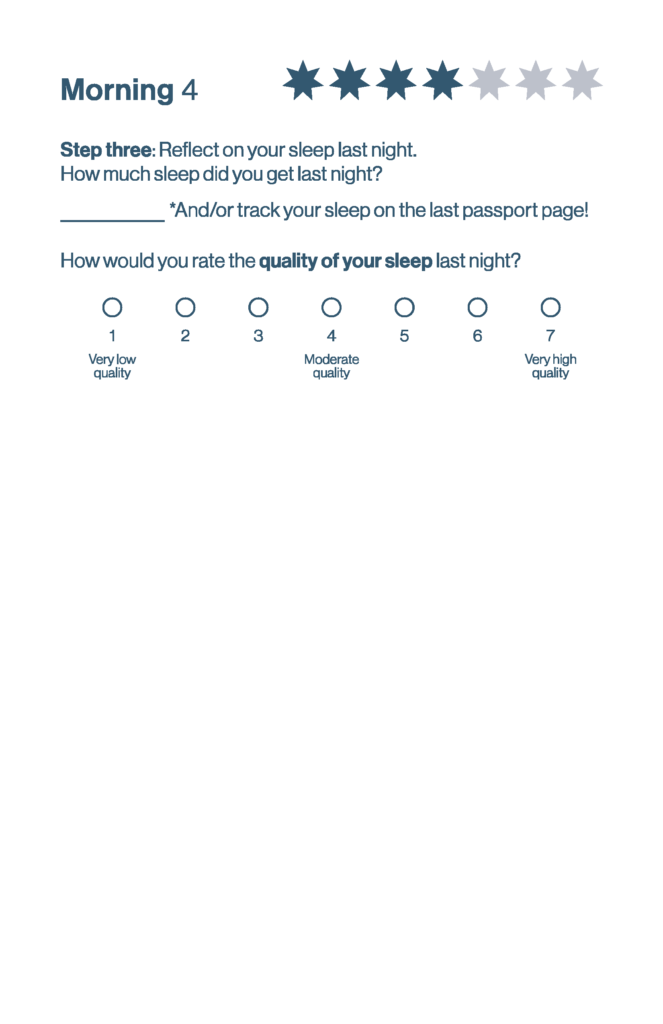
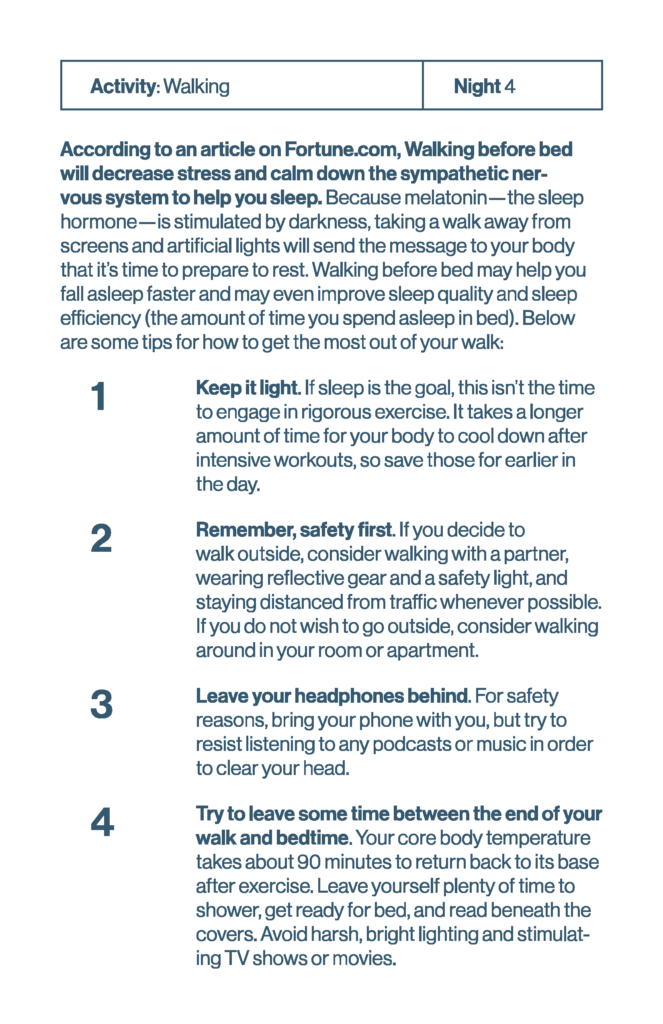
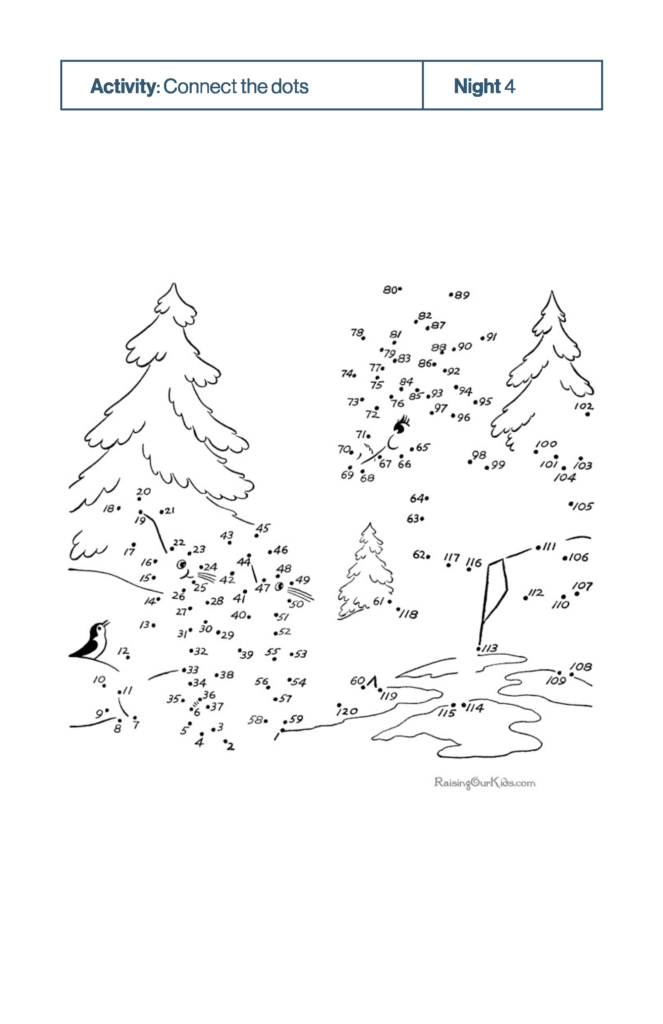
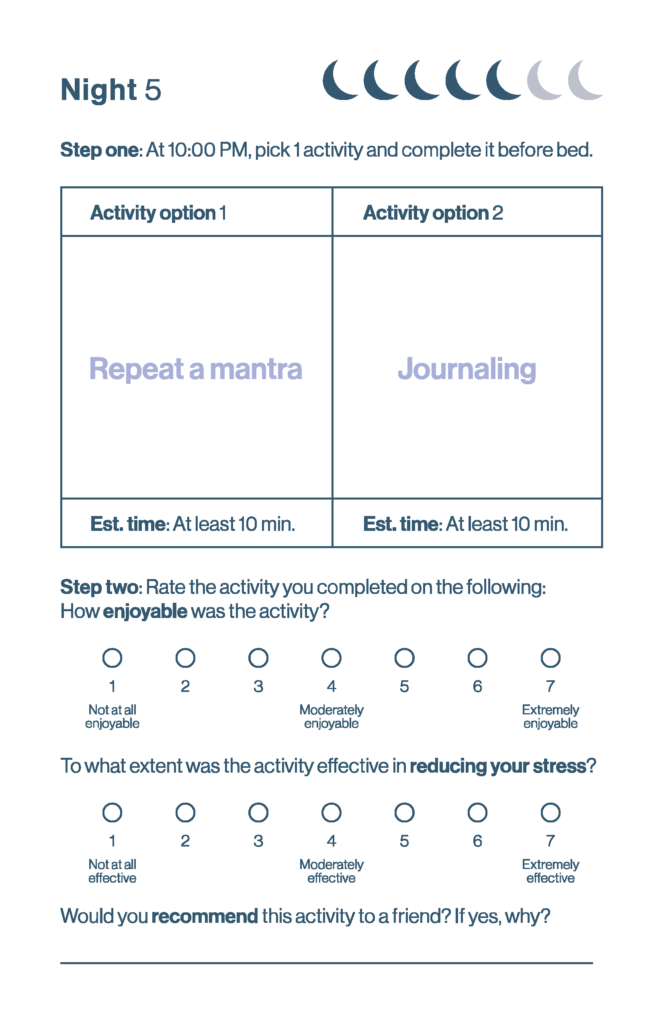
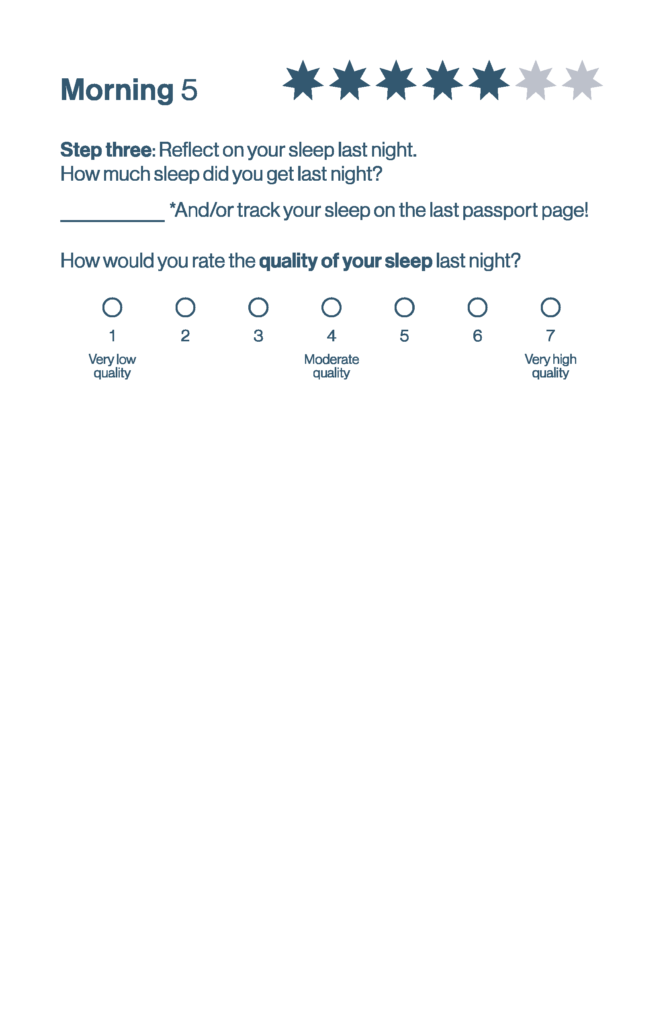
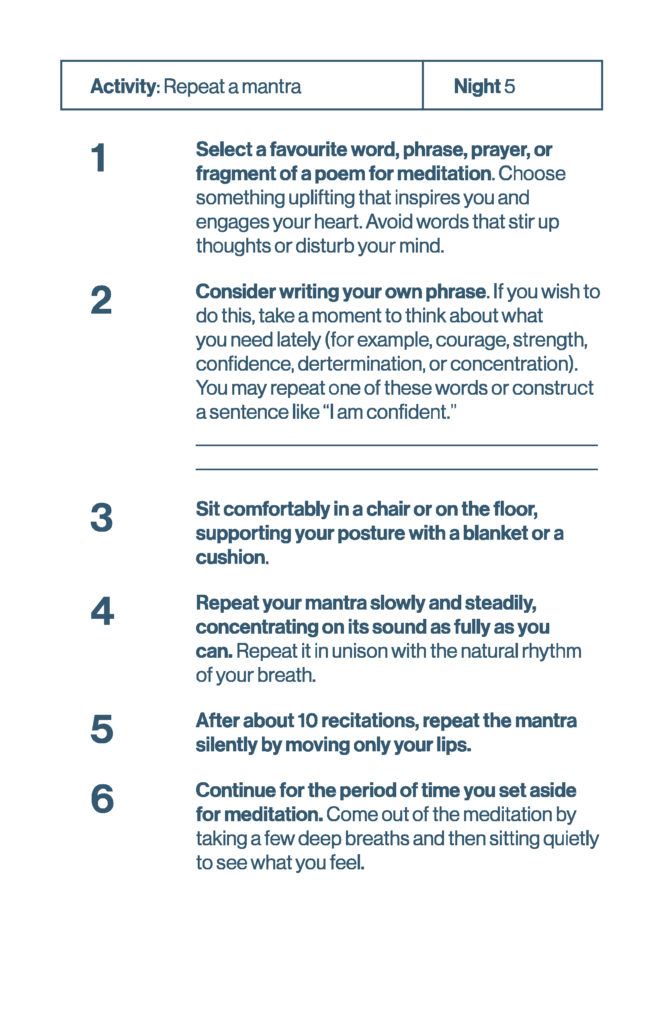
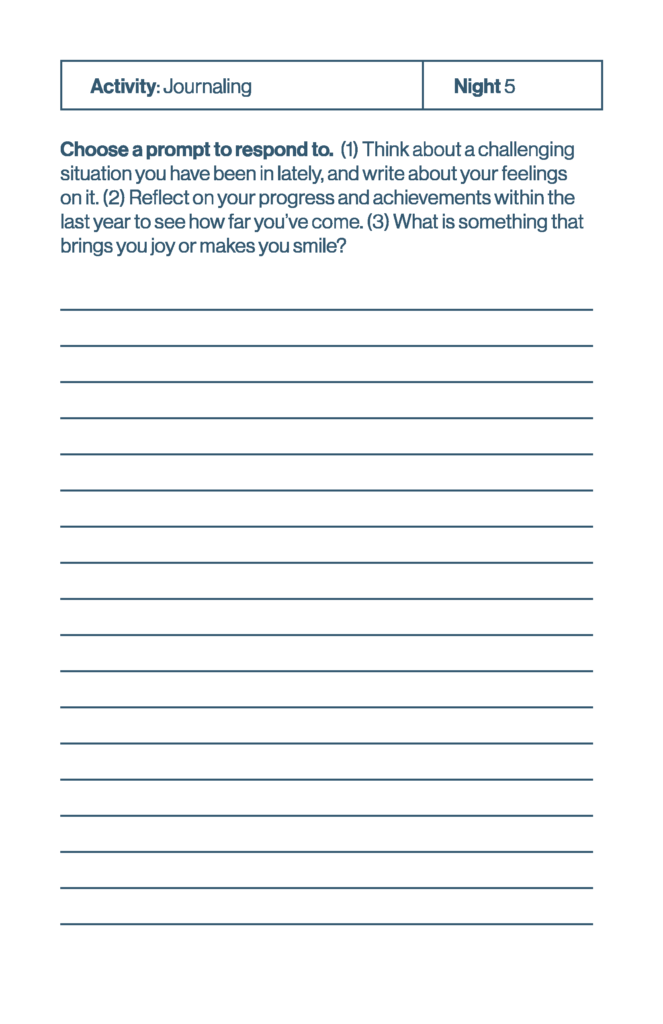
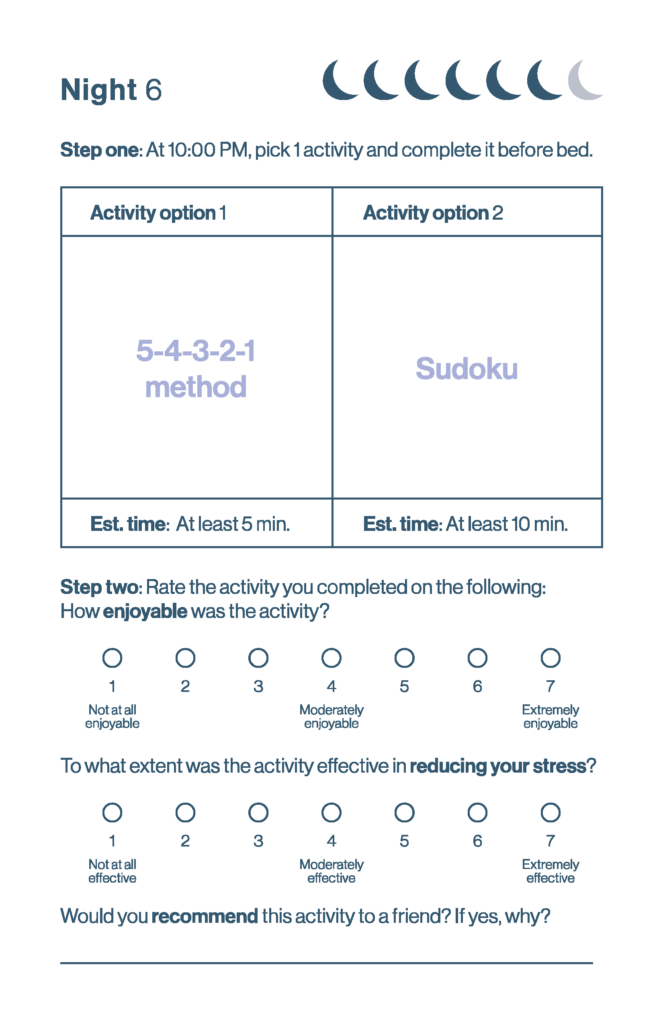
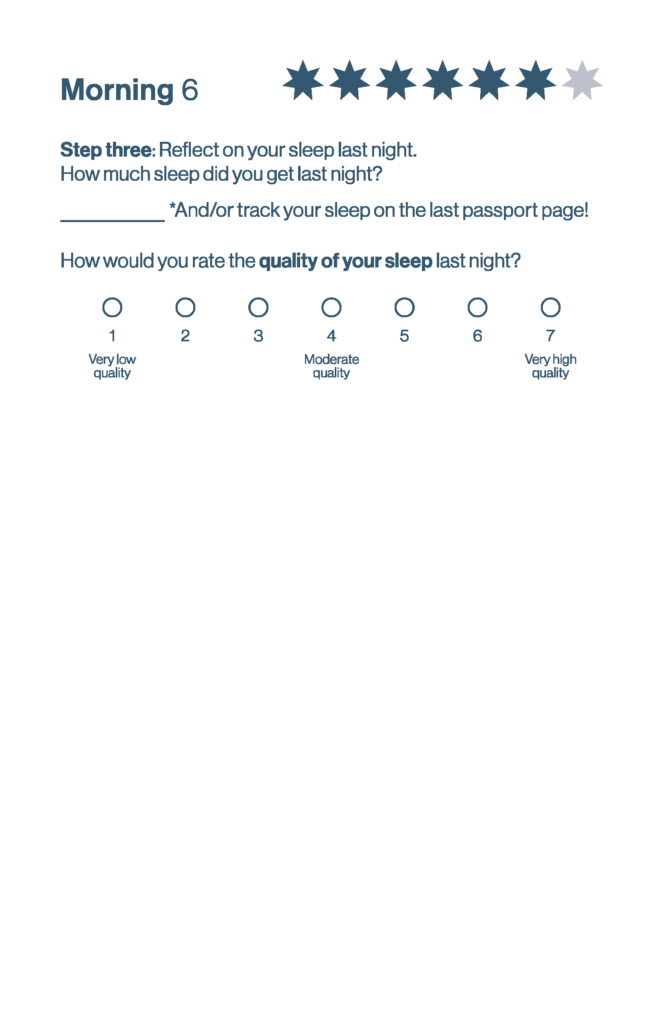
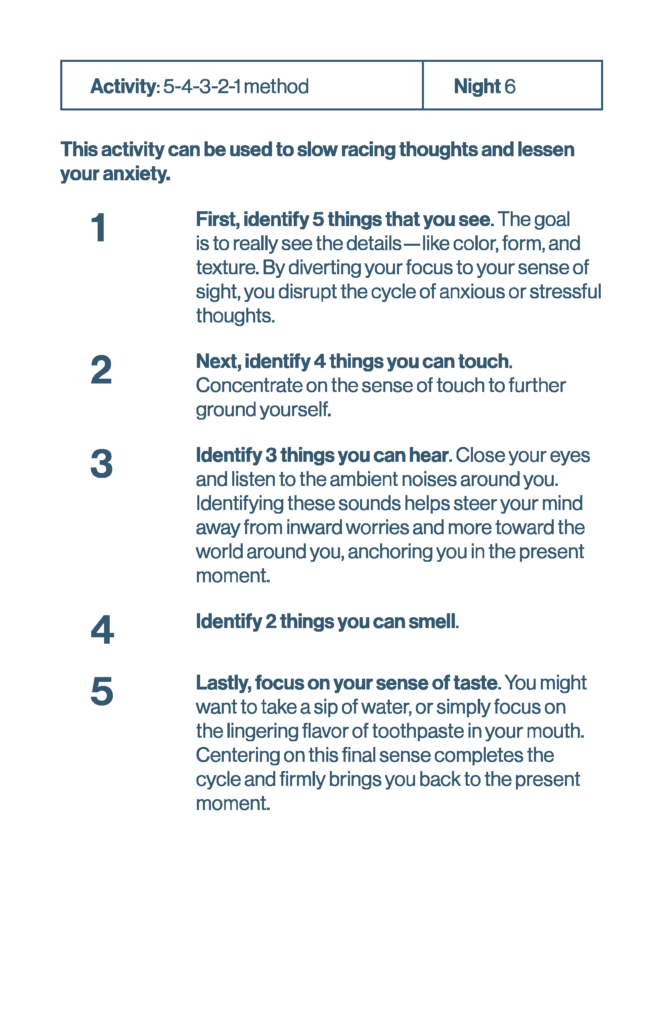
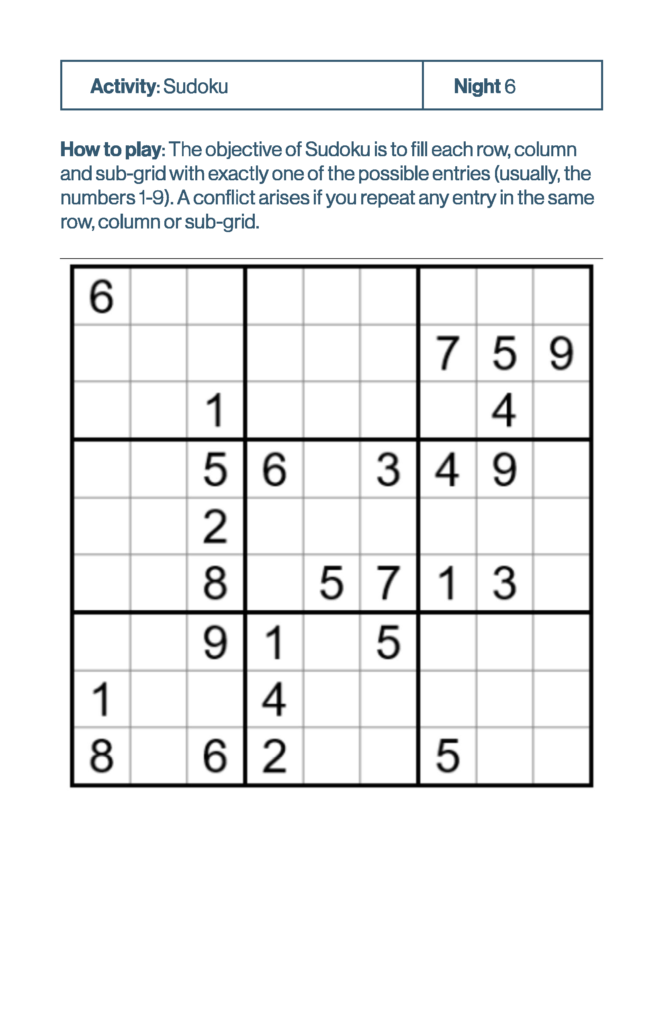
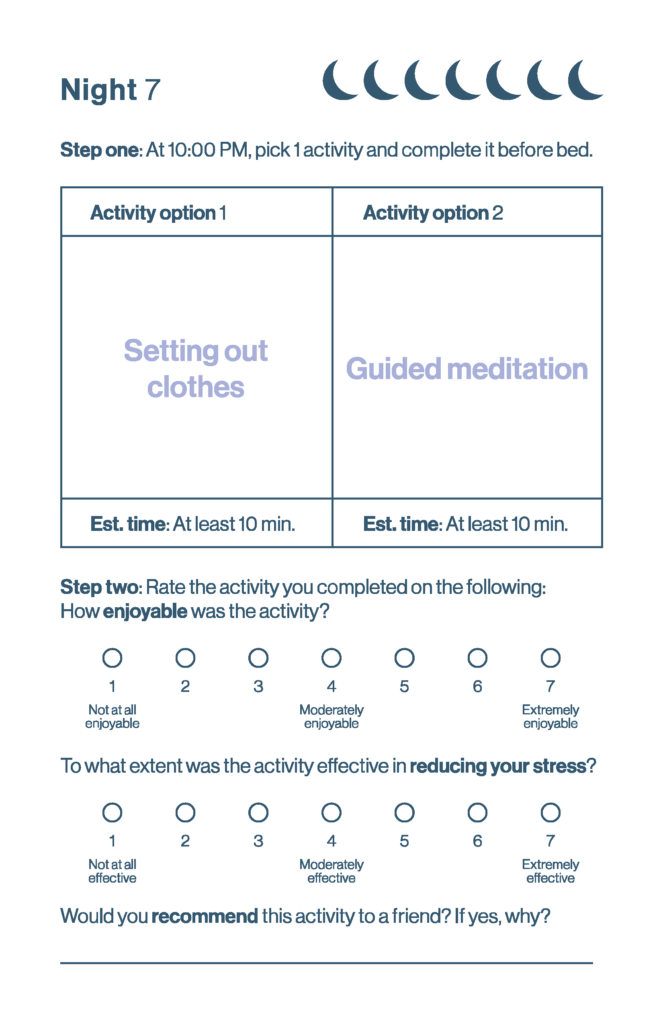
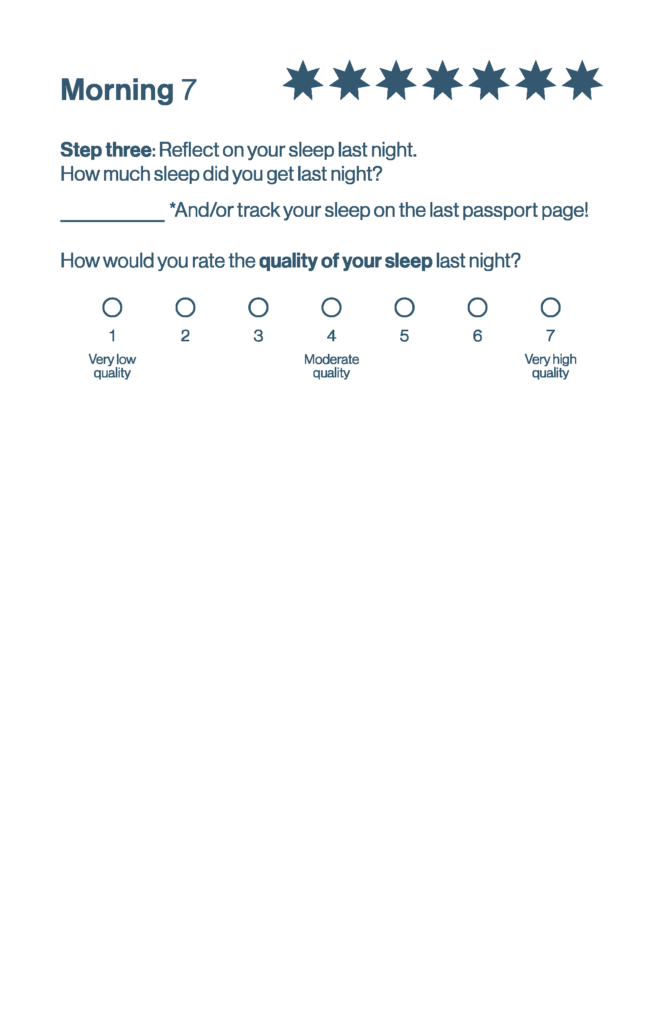
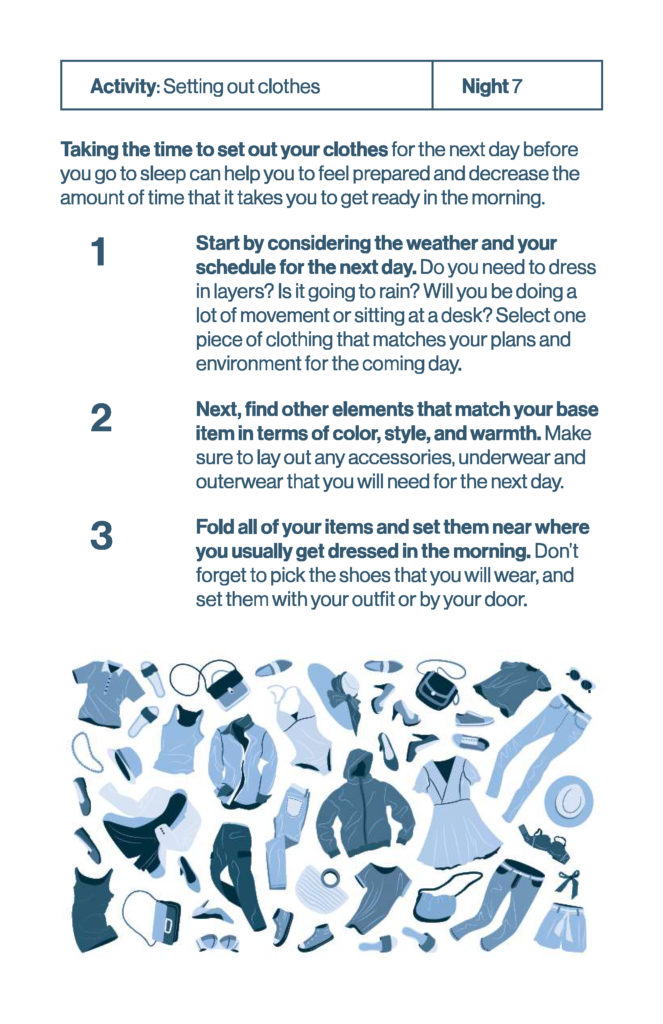
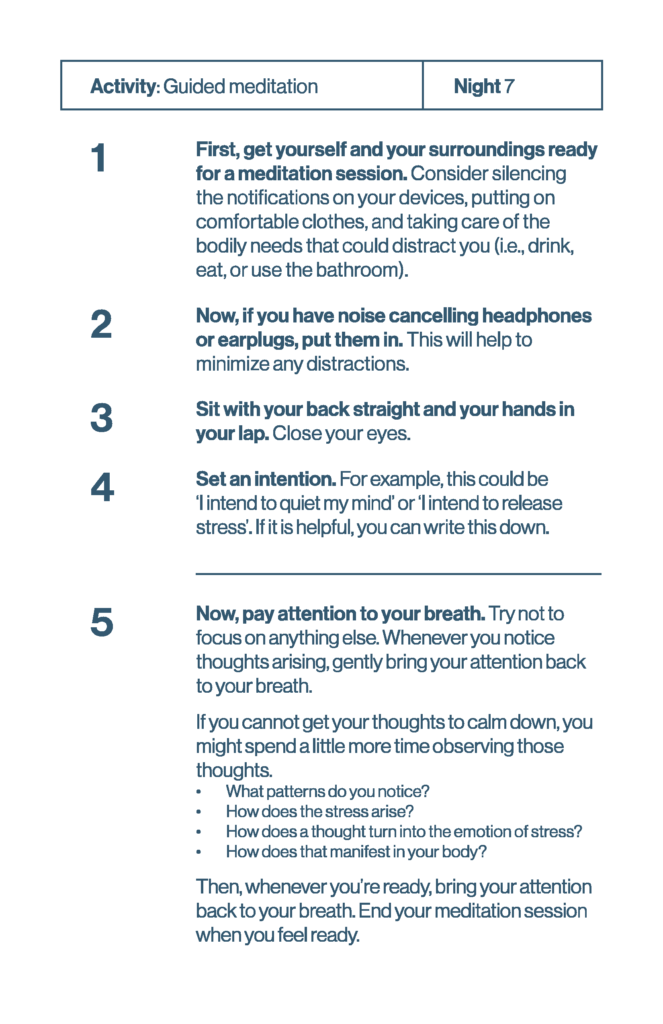
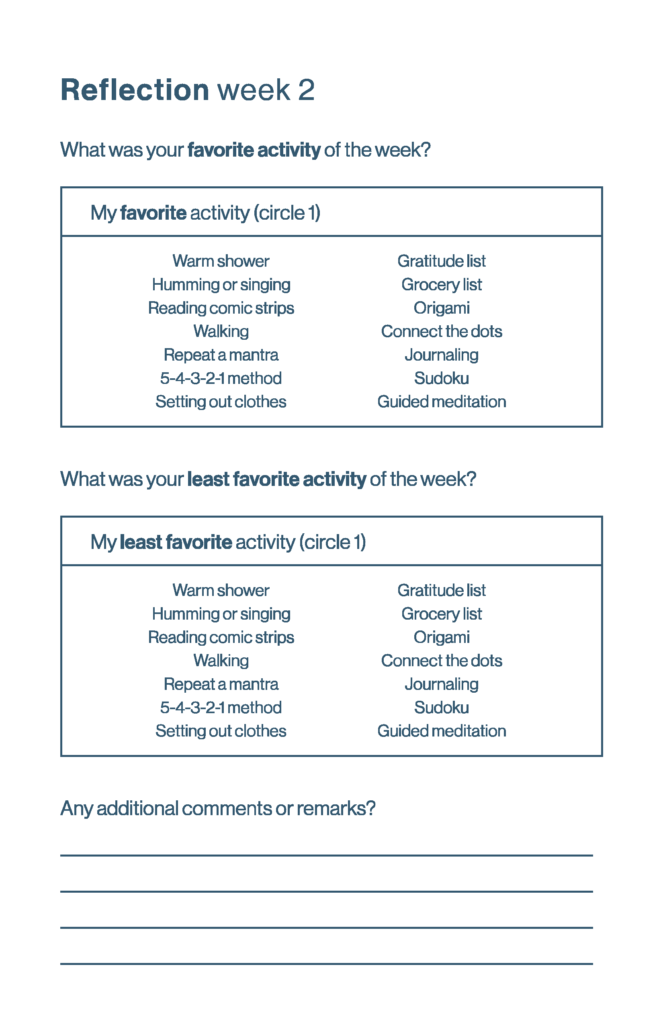
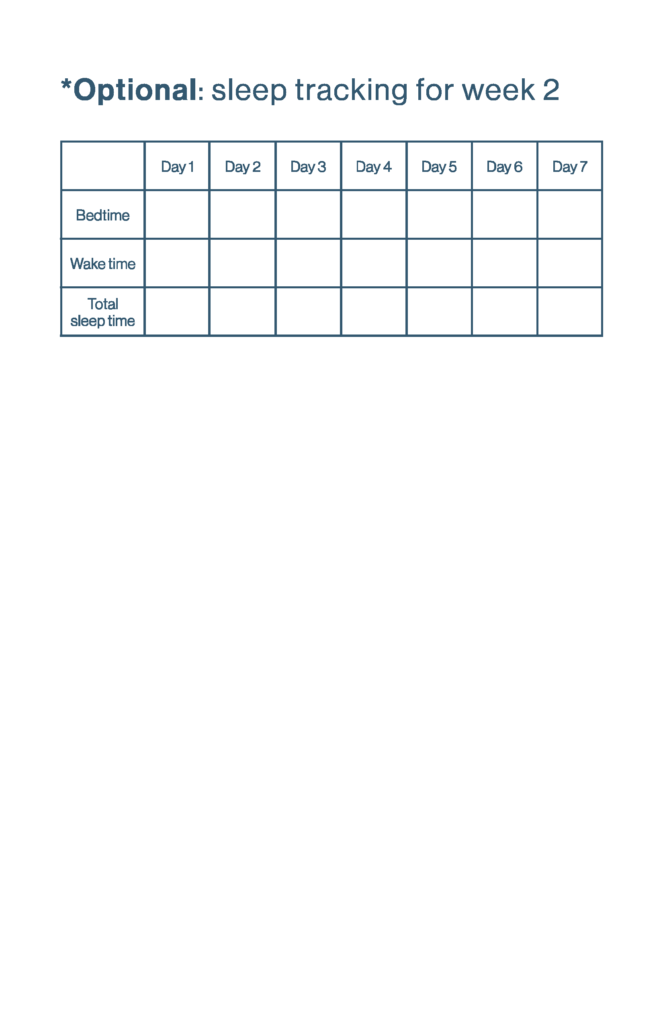
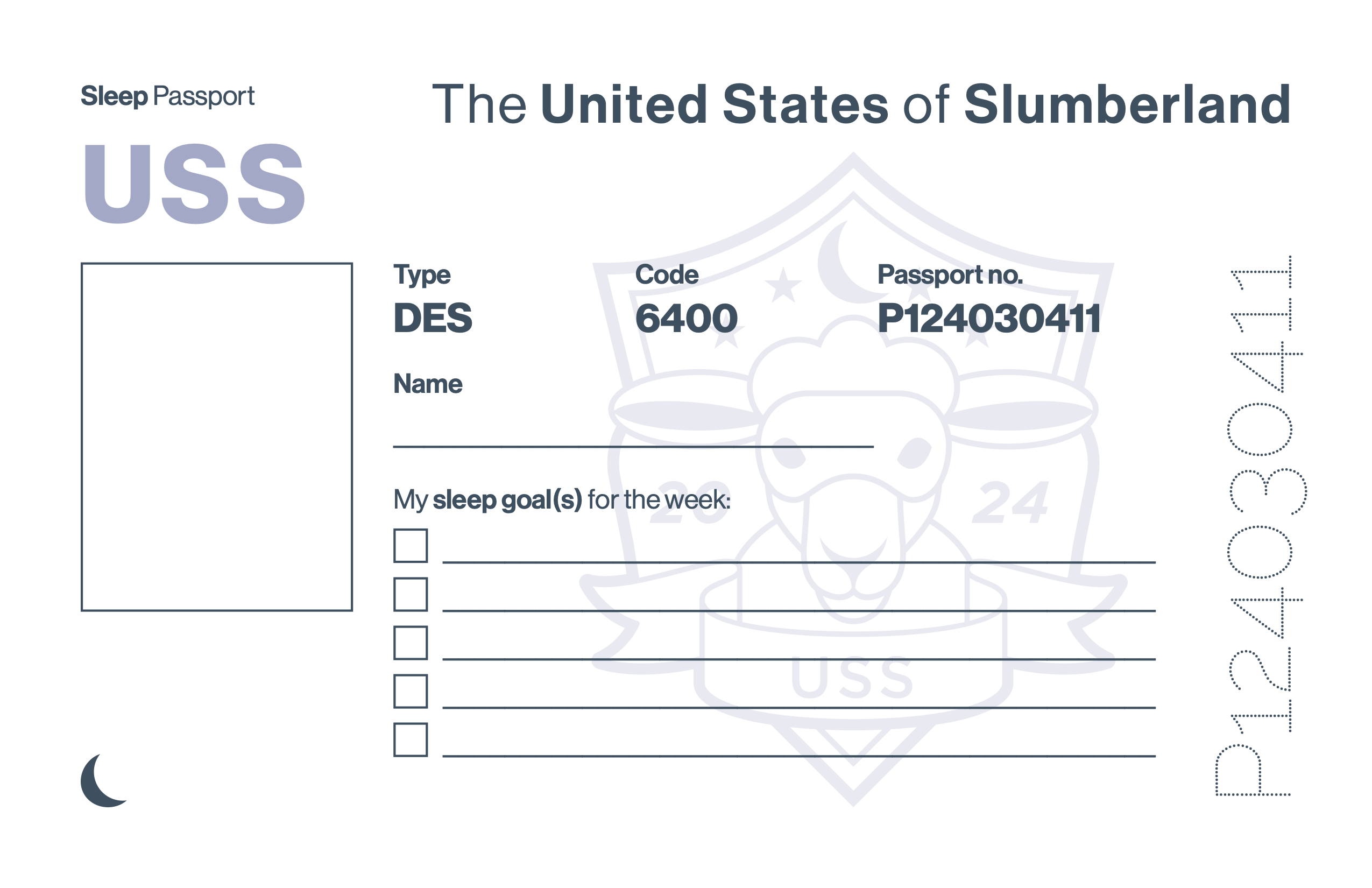
The outcome was Sleep Passport, a low-tech, tangible intervention designed to help participants replace screen-based habits with short, low-effort wind-down activities before sleep. Structured as a customizable “passport,” the toolkit enabled participants to choose from alternative activities, reflect on their effectiveness, and iteratively refine their personal sleep routines over a four-week period.
Weekly co-design sessions allowed the intervention to remain adaptive, shifting from prescriptive behavior change toward supporting relaxation, agency, and personal preference. Pre- and post-assessments, including the Pittsburgh Sleep Quality Index and Epworth Sleepiness Scale, suggested improvements in perceived sleep quality and reduced bedtime stress, while participant feedback highlighted the value of flexibility and minimal cognitive load.